Welcome To Christ College London!
Ultrasound Guided Regional Blocks in Emergency Medicine
Introduction
This course equips healthcare professionals with essential knowledge and practical skills. Participants gain expertise in performing key ultrasound-guided nerve blocks in emergency settings, integrating hands-on training with evidence-based techniques to optimise patient safety, improve pain management, and enhance procedural efficiency.
Course Director
Dr Ali, CCT-EM, FRCEM Consultant in Emergency Medicine, NHS UK. Qualifications: MBBS, FRCEM (London), Dip T&O
- University of Manchester, CCT-EM - UK, CCP-EM (Hons) - London Global Emergency Medicine.
Clinical Interests: ATLS, APLS, ALS, FAMUS, HALO procedures, PoCUS / EMUS, USGRA,
Ultrasound-guided emergency interventions in the ED.
Course Objectives
- Understand the foundational principles of ultrasound technology as applied to regional anesthesia and emergency medicine.
- Demonstrate proficiency in ultrasound-guided vascular access and needle techniques to enhance procedural safety and success.
- Acquire practical skills in performing key ultrasound-guided regional nerve blocks commonly used in emergency settings, including PENG, FICB, Popliteal (common peroneal and tibial nerves), ankle, ESP, Serratus anterior, and facial/auricular blocks.
- Apply anatomical knowledge and ultrasound imaging skills to accurately identify relevant landmarks for each block.
- Recognize indications, contraindications, and potential complications associated with ultrasound-guided regional blocks in the emergency department.
- Integrate ultrasound-guided regional anesthesia techniques into clinical practice to improve pain management, reduce opioid use, and facilitate procedures.
- Build confidence and competence in selecting appropriate blocks based on patient presentation and clinical scenario.
- Ensure adherence to NHS safety standards and best practices in performing ultrasound-guided regional anesthesia.
Course Delivery
The programme comprises a total of 370 hours of study, including 80 hours of consultant-led learning Onsite, Online and 290 hours of self-directed learning, delivered through a blended learning model combining online and face-to-face sessions.
Learning Focus & Knowledge Outcomes
Upon successful completion of this programme, participants will be able to:
- Explain the basic physics of ultrasound and how it applies to imaging nerves and surrounding structures.
- Demonstrate safe and effective ultrasound-guided vascular access and needle handling techniques to minimize patient discomfort and procedural risks.
- Identify sonoanatomy relevant to the following regional blocks:
- PENG (Pericapsular Nerve Group) block
- Fascia Iliaca Compartment Block (both suprainguinal and infrainguinal approaches)
- Popliteal (Common Peroneal and tibial nerve blocks)
- Ankle block
- Erector Spinae Plane (ESP) block
- Serratus anterior block
- Supraorbital / Supratrochlear and infraorbital nerve blocks
- Auricular block
- Perform ultrasound-guided placement of local anesthetic for each regional block, using correct technique and appropriate needle positioning under ultrasound guidance.
- Assess patient suitability and select the most appropriate block based on injury type, pain distribution, and emergency clinical context.
- Identify and manage potential complications and adverse effects related to ultrasound-guided regional blocks, including local anesthetic toxicity and nerve injury.
- Document procedural details accurately in line with NHS clinical governance and medicolegal requirements.
- Incorporate ultrasound-guided regional anesthesia techniques to improve patient comfort, facilitate emergency procedures, and reduce systemic analgesic requirements.
Hands-On Skills & Practical Competencies
Module 1: Basics of Ultrasound
This module covers the physics of ultrasound, including sound waves, frequency, resolution, and artifacts. Participants will learn ultrasound machine setup, probe selection, and image optimization, along with ultrasound anatomy and sonoanatomy relevant to nerve blocks. Needle visualization techniques and ergonomic considerations are also addressed.
Module 2: Ultrasound-Guided Vascular Access and Needling Technique
Participants will understand indications and contraindications for ultrasound-guided vascular access. The module includes real-time vascular cannulation, sterile technique, infection control, needle handling (in-plane vs out-of-plane approaches), and troubleshooting common difficulties.
Module 3: PENG (Pericapsular Nerve Group) Block
This module focuses on the indications and anatomy of the PENG block, sonoanatomy landmarks, probe placement, step-by-step block technique, and clinical applications and limitations.
Module 4: Fascia Iliaca Compartment Block (FICB)
Learners will explore the differences between suprainguinal and infrainguinal approaches, anatomical considerations, and sonoanatomy. The module covers ultrasound-guided techniques for both approaches and pain management applications in hip and thigh injuries.
Module 5: Popliteal Block (Common Peroneal and Tibial Nerve Blocks)
This module teaches the relevant anatomy and sonoanatomy of nerves at the popliteal fossa, ultrasound visualization of tibial and common peroneal nerves, stepwise technique for popliteal blocks, and clinical indications and monitoring.
Module 6: Ankle Block
Participants will learn the anatomy of ankle nerve branches, including posterior tibial, deep peroneal, superficial peroneal, sural, and saphenous nerves. Ultrasound identification of each nerve, multi-injection techniques, and applications in foot and ankle injuries are covered.
Module 7: Erector Spinae Plane (ESP) Block
This module covers the anatomy of the erector spinae muscles and surrounding structures, ultrasound-guided techniques for thoracic ESP blocks, and applications in thoracic and abdominal pain relief.
Module 8: Serratus Anterior Block
Learners will understand the relevant anatomy and sonoanatomy of the thoracic wall, ultrasound-guided approaches for the serratus anterior plane block, and clinical indications such as rib fractures and chest wall pain.
Module 9: Supraorbital, Supratrochlear, and Infraorbital Nerve Blocks
This module focuses on facial sensory nerve anatomy and landmarks, along with techniques for block placement in facial pain and trauma.
Module 10: Auricular Block
Participants will study the anatomy of the auricular nerves and their innervation zones, identification and technique for performing the block, and indications including ear trauma and procedural analgesia.
Our Team
We are delighted to announce that our team comprises experts dedicated to delivering a dynamic and stimulating learning journey for our delegates. Their enthusiasm for teaching and nurturing future Emergency Physicians underscores our commitment to excellence in education.
Assessment Framework
Formative Assessments (during course):
- Hands-on skills workshops: supervised practice of ultrasound scanning and needle insertion on phantoms and volunteers
- Ultrasound image interpretation quizzes: identify anatomy and needle placement on still images and live scans
- Case-based discussions: clinical scenarios to select appropriate block and technique
Practical OSCE (Objective Structured Clinical Exam):
- Stations testing:
- Ultrasound machine setup
- Sonoanatomy identification
- Needle guidance technique
- Full block simulation on model
- Demonstrate correct and safe technique
- Case presentation or reflective log: present a real or simulated case describing block selection, technique, and outcome with clear rationale, documentation, and reflection
About Us
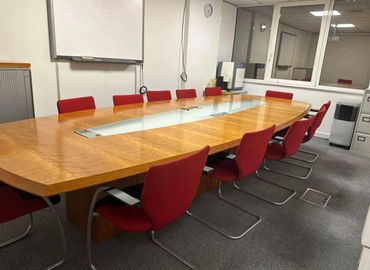
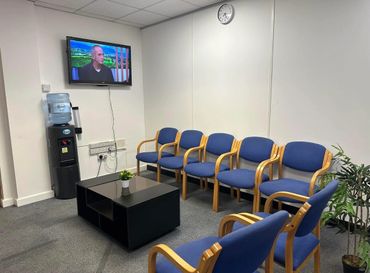
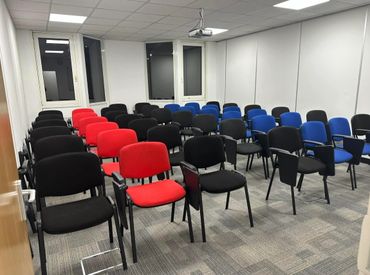
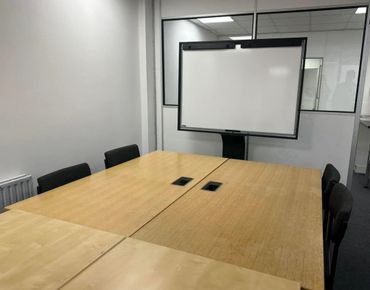
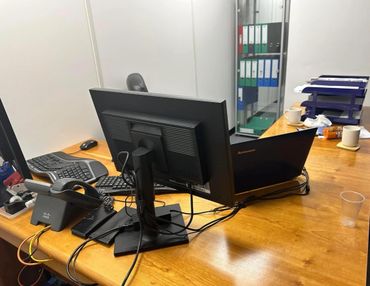
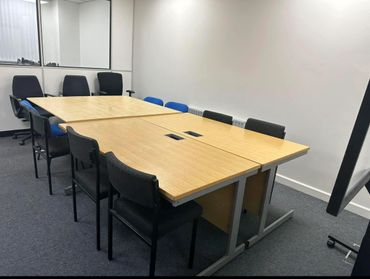
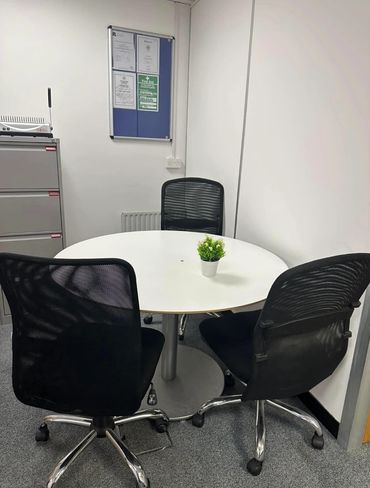
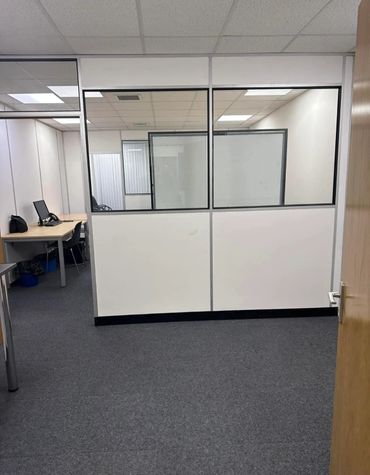
Christ College London is an independent college offering multidisciplinary courses. It is accredited by UKRS to offer professional courses. The college focuses on teaching and research, creating a friendly and supportive learning environment. The college encourages learning across different subjects to inspire students and lecturers to produce great research. With modern facilities and advanced technology, Christ College London offers a comfortable place at Canary Wharf London.
Our Location